
When traveling by plane, some people may wonder, “Is it okay to bring a mobile battery on board?”
In fact, bringing mobile batteries into the cabin is generally permitted, as long as you follow the rules. However, there are clear restrictions on capacity and quantity, and placing mobile batteries in checked baggage is strictly prohibited.
Based on the rules of major domestic airlines in Japan, this article clearly explains the criteria and key precautions for carrying mobile batteries on board. We encourage you to read through to the end as part of your travel preparations to ensure a safe and worry-free flight.
Note: The information in this article is based on regulations in Japan as of January 2026. Rules may vary depending on the country and airline, so please be sure to check the specific policies of your airline in advance.
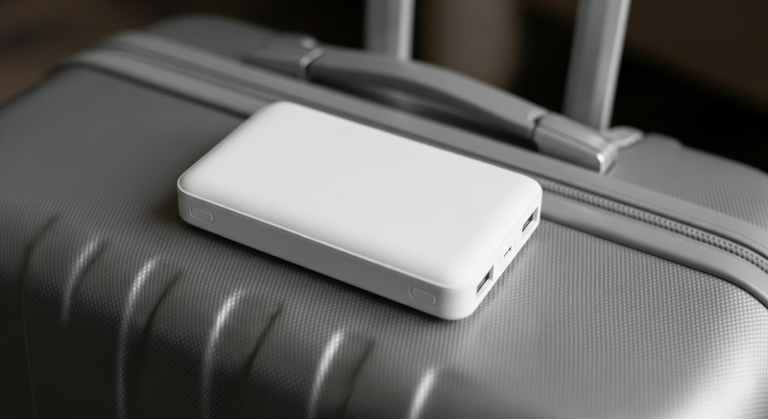
Bringing Mobile Batteries on Board Is Generally Allowed
Mobile batteries are generally allowed to be carried on board, provided they meet the specified conditions. Most airlines follow international standards, and products with appropriate capacity and verified safety features are considered to pose a low risk.
However, mobile batteries are strictly prohibited from being placed in checked baggage, including items stored in overhead bins within checked suitcases. Because lithium-ion batteries can, in rare cases, ignite due to pressure changes or impact, they must be kept in the cabin where they can be visually monitored at all times.
Rules for Carrying Mobile Batteries on Board Aircraft
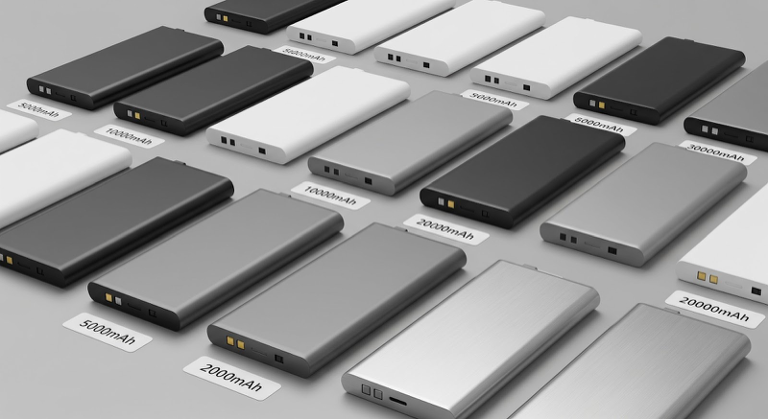
Mobile batteries that can be carried on board are subject to restrictions based on their battery capacity (Wh: watt-hour rating).
- Under 100Wh: The number of batteries allowed for carry-on may vary depending on the airline
- Over 100Wh and up to 160Wh: Up to two units may be carried on board
- Over 160Wh: Not permitted
(Considered hazardous goods and subject to confiscation or disposal)
Most mobile batteries designed for smartphone charging (around 10,000–20,000 mAh) generally fall under 100Wh (approximately 37Wh–74Wh) and are therefore allowed to be carried on board in many cases. However, it is important to check the specifications in advance to ensure compliance before traveling.
[July 2025 Update]: Stricter Onboard Storage Rules
According to guidelines issued by Japan’s Ministry of Land, Infrastructure, Transport and Tourism (MLIT) and individual airlines, the rules for handling mobile batteries on board aircraft were revised effective July 8, 2025.
“Storage in Overhead Bins Is Prohibited”
In the event that a battery overheats or emits smoke, keeping it inside an overhead bin could delay detection. To ensure early identification of any abnormalities and enable a swift response, mobile batteries must be managed under the following conditions.
- Keep the battery in a place where it can be visually monitored at all times (such as the seat-back pocket, within reach at your seat, or under the seat in front of you).
- Turn off the battery and disconnect cables when it is not in use.
- When charging a mobile battery using in-flight power, always do so in a location where its condition can be easily observed.
As of the end of January 2026, the use of mobile batteries on board is prohibited in some countries. Please be sure to check the applicable rules in advance before traveling.
To Safely Carry Mobile Batteries on Board
1) Thorough Measures to Prevent Short Circuits
To prevent short circuits caused by the battery terminals coming into contact with metal objects, appropriate physical precautions are required. If the terminals touch items such as keys or coins inside a bag, there is a risk of ignition, which is why airlines strongly recommend protecting the terminals.
Proper insulation not only improves safety but also helps ensure a smoother security screening process.
Effective measures to prevent short circuits include the following:
- Store the battery in its original protective case
- Cover the terminals with insulating tape, such as vinyl tape
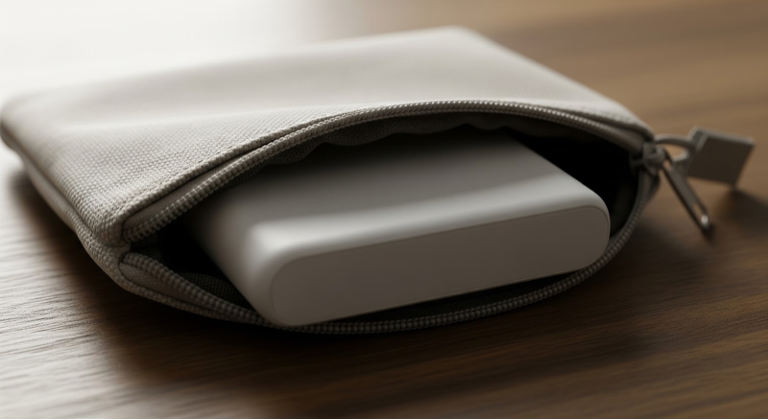
- Carry the battery in a separate fabric pouch
Because simple precautions can significantly reduce risks, be sure to implement short-circuit prevention measures before your departure.
2) Keep the Battery Powered Off When Not in Use
Mobile batteries carried on board should be kept powered off whenever possible and not in use. This helps prevent accidental activation inside a bag, which could lead to overheating or, in rare cases, ignition.
In particular, batteries with easily pressed power buttons or those left with cables connected may be considered unsafe.
Examples of safe conditions for carrying mobile batteries include the following:
- Turn off the power completely using the device’s switch
- Disconnect any charging cables
- Protect protruding parts with a case
To avoid any issues at the airport, it is important to thoroughly check the power status and cable connections before leaving home.
Choosing Not to Carry One: Making Use of Battery-Sharing Services
To reduce the burden of increasingly strict aviation regulations, time-consuming security checks, and the hassle of carrying heavy batteries, more people are choosing the option of “renting at their destination and returning before departure.”
CHARGESPOT stations are installed at major transportation hubs nationwide, including airports, making it possible to minimize both carry-on risks and luggage volume. In addition, CHARGESPOT batteries comply with aviation carry-on standards (under 100Wh), so travelers can rent a battery at their destination and use it for charging on the return flight as well.
Reference:
https://inforich.net/7557/battery_anzen_kinaimochikomi
For a safe and worry-free journey by air, we appreciate your cooperation in complying with regulations and practicing proper risk management.
Some of the images in this article were generated using AI.