
When it comes to battery fires or related incidents, many people tend to think of mobile batteries being exposed to extreme heat or direct sunlight during summer. However, in reality, there are less obvious risks in winter that are often overlooked.
Lithium-ion batteries are vulnerable not only to high temperatures but also to low temperatures. Cold conditions can make internal chemical reactions unstable, and improper use or charging under such conditions may lead not only to performance degradation, but also to abnormal heat generation or even fire incidents.
In this article, we will take a closer look at safe ways to use mobile batteries in winter and the key precautions you should be aware of during the colder months.

The Relationship Between Mobile Batteries and Low-Temperature Conditions: What to Watch Out for in Winter
Lithium-ion batteries generally exhibit slower internal chemical reactions in low-temperature environments below 0°C, which can make the charging and discharging process unstable. As a result, batteries are more likely to behave differently in winter compared to normal conditions.
Common symptoms include:
- A rapid drop in battery level over a short period of time
- Charging that fails to progress smoothly or becomes extremely slow
- A noticeable gap between the displayed battery level and actual usable time
These phenomena occur because low temperatures temporarily prevent the battery from delivering its full performance. In many cases, battery performance improves once the device is returned to room temperature.
However, it is important not to dismiss these symptoms as harmless simply because they are not immediate malfunctions. Repeated use or charging in cold environments can place cumulative stress on the battery’s internal components, accelerating degradation and potentially shortening its lifespan earlier than expected or causing internal abnormalities.
In particular, forcing a battery to charge in low-temperature conditions can disrupt internal balance, leading to abnormal heat generation or internal short circuits, which significantly increases the risk of fire incidents.
For safe use during winter, it is essential to understand these characteristics of lithium-ion batteries and to carefully consider both the usage environment and charging timing.
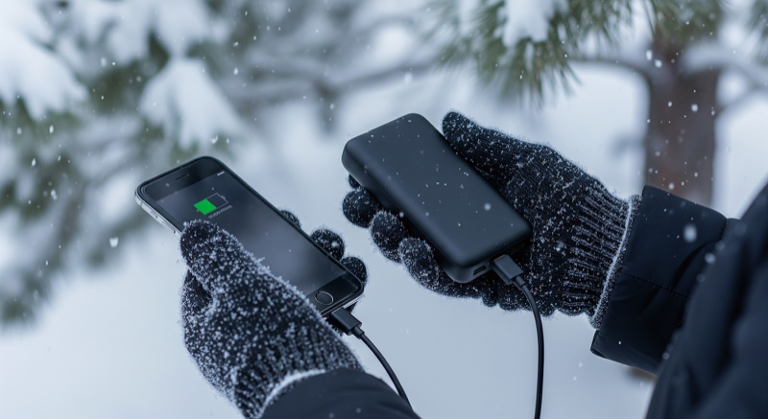
How to Manage Mobile Batteries in Winter to Prevent Fire Incidents
Avoid Charging Batteries When They Are Cold (Do Not Charge in Low-Temperature Conditions)
Avoid charging mobile batteries that have become extremely cold after being used outdoors or in low-temperature environments during winter. In cold conditions, the internal chemical reactions of lithium-ion batteries can become unstable, increasing the risk of abnormal heat generation, internal short circuits, and fire incidents.
Before using or charging a battery, it is important to allow it to return to room temperature to ensure safe operation.
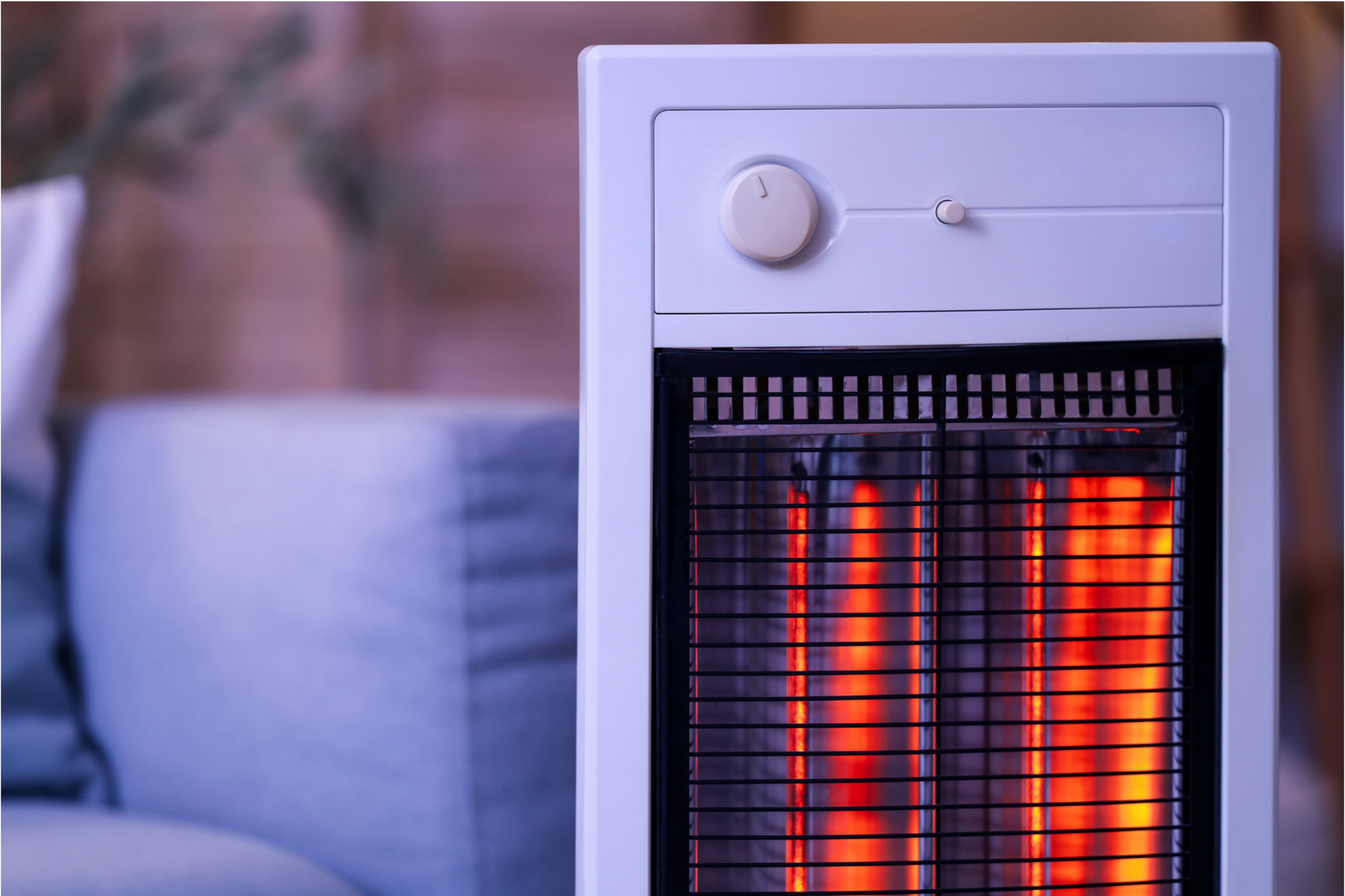
Do Not Charge Near Heating
During colder seasons, some people may charge mobile batteries near heating appliances such as stoves, heaters, or areas exposed to warm air from air conditioners. However, rapid heating or localized high temperatures can place significant stress on lithium-ion batteries, increasing the risk of abnormal heat generation or fire incidents.
Always charge mobile batteries in a stable, room-temperature environment, away from direct heat sources.
Avoid Leaving Mobile Batteries in Low-Temperature Environments Such as Cars or Outdoors
During winter, temperatures inside cars or outdoor areas can drop significantly, even over short periods of time. Leaving mobile batteries in such conditions can not only reduce battery performance but also accelerate degradation when repeated.
Be sure to:
- Avoid leaving mobile batteries inside cars during winter
- Do not store them on balconies or near entryways exposed to cold air
Proper storage in a stable, indoor environment is essential for maintaining battery performance and safety during colder months.
Be Careful with “On-the-Go Charging” in Pockets or Bags
During winter, people often charge devices inside thick clothing pockets or bags, but doing so can block heat dissipation and create localized high temperatures. When a battery warms up rapidly from a cold state, the stress on the battery increases, raising the risk of swelling or fire incidents.
When charging, place the battery in a well-ventilated area whenever possible to allow heat to dissipate safely.
Be Aware of Condensation and Moisture
When moving from a cold outdoor environment to a warm indoor space, condensation can form on mobile batteries and their terminals. Moisture on the battery can lead to short circuits or malfunctions, increasing safety risks.
Be careful to:
- Avoid storing batteries together with wet gloves
- Do not charge batteries while snow or rain is still attached
Because moisture can cause short circuits or damage, it is essential to thoroughly dry the battery before use or charging.
How to Choose a Mobile Battery with Winter Safety in Mind
When purchasing a mobile battery, it is important to look beyond just price and capacity and carefully check key safety indicators:
- Whether the product displays a PSE mark, indicating compliance with safety regulations
- Whether it is equipped with overcharge and over-discharge protection functions
- Whether the operating temperature range is clearly specified
Especially when planning to use a mobile battery during winter, choosing a reliable and safety-certified product is a crucial first step in preventing fire incidents.
To help prevent low-temperature charging issues and battery-related fires, it is worth reconsidering safe usage practices with a clear understanding of winter-specific battery risks and adopting proper handling methods accordingly.
Some of the images in this article were generated using AI.